Two Easy Ways to Start Earning Rewards!
Earn 2X Pals Rewards points at Petco
when you use Petco Pay!
Get It Today
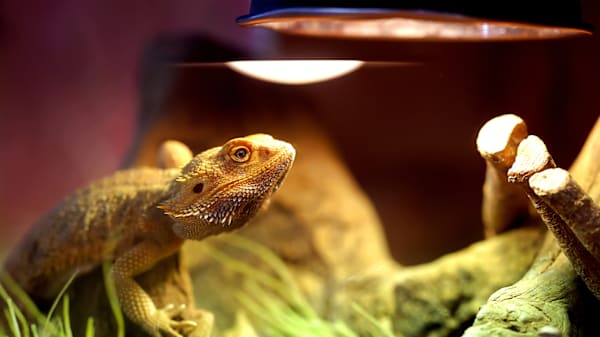
Learn the importance of UVB light for your reptiles and the right reptile lights for your pet’s habitat.
Updated on July 17th, 2026
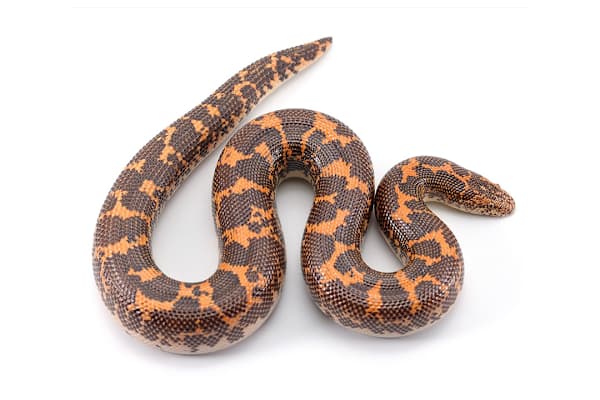
Learn how to care for a Sand Boa, recommended diet and habitat setup. Find the right food, supplies and equipment at your neighborhood Petco.
Updated on April 9th, 2026
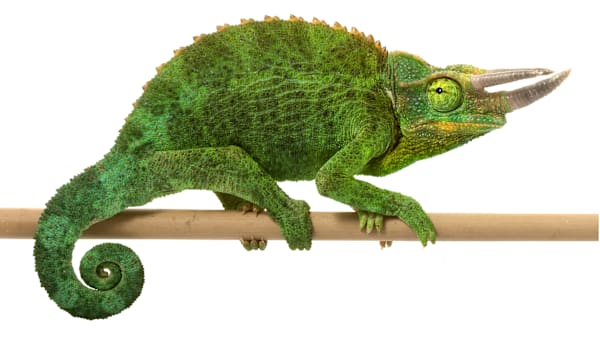
Learn how to care for Jackson's Chameleons, recommended diet & habitat setup. Find the right food, supplies & equipment at your neighborhood Petco.
Updated on April 9th, 2026
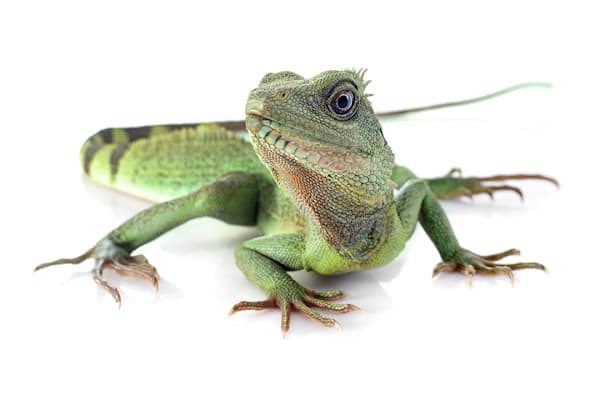
Learn how to take care of Water Dragons, recommended diet and habitat setup. Find the right food, supplies and equipment at your neighborhood Petco.
Updated on April 9th, 2026

There's a wide array of heating solutions to provide the optimal temperature for your aquatic friends to thrive. Dive in to navigate options & ideal wattage.
Updated on July 17th, 2026
The ReptiSun 10.0 bulb by Zoo Med is widely recommended. It should not be obstructed by either glass or plexiglass or be more than 18 inches away from the basking area. If you can't get one just yet, natural unfiltered sunlight can be provided daily if you can do it safely and without risk of escape.
Updated on September 24th, 2025
Hi, For heat you could do a number of things e.g. place any incandenscent bulb above him, place other types of heaters near the tank etc. Please make sure that the temperature is not too high. As for food, this is more of a problem. If he's used to eating crickets it would be difficult to switch him at once to something else. I assume meal worms or otjer insects are also unavailable? You could very temporarily try some soft cat food but it may not work.
Updated on September 24th, 2025
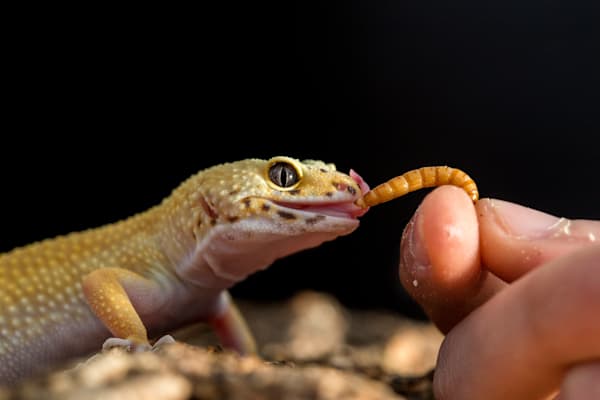
The basking spot should be about 90 F. If you use a standard heat lamp on one end of the enclosure, it should produce an acceptable temperature gradient across the tank. Nighttime temps should drop no lower than the low 70s F. This species is a desert species. Relative humidity in the tank should range between 20% and 40%. When in shed, provide a moist or humid hide box to aid in shedding.
Updated on September 24th, 2025
A heat mat will maintain proper ground temps but may not keep ambient temps within normal ranges for a leopard gecko. A basking light should be used during the day to mimic the natural environment. If nighttime temps drop too low, even with a mat, consider a CHE (ceramic heat emitter) that will produce heat without visible light.
Updated on September 24th, 2025
Most species of geckos, being nocturnal, do not require UVB lighting. Being cold blooded though, they do need a heat source. Your body temp will not be sufficient for good health. Replace the light/heat source with an appropriate bulb. You can easily buy one online or at most pet stores. Low temps will stress him which can lead to illness. Low temps also affect appetite activity and digestion. Sexing geckos is fairly easy. An adult male will have a bulge behind the vent that is very noticeable. You will also see a row of femoral pores shaped like a "V" in front of the vent in male geckos. Since he is going into a shed, provide a moist hide in the enclosure and/or increase the humidity temporarily. These two species look similar but there are differences. To help with identification, closely exam your gecko. Leos will lose their bands and develop spots, hence the name, as they mature. They also get much bigger than banded geckos. Leos also have rougher, bumpier skin as opposed to a banded gecko's smoother skin. If you post a picture of him on his profile, we can possibly determine what species of geckos you own.
Updated on September 24th, 2025