Two Easy Ways to Start Earning Rewards!
Become a member today! Members-only pricing and offers, personalized care notifications, Vital Care points back on every purchase and more!
 Become a credit card member today!
Earn 2X Pals Rewards points at Petco
when you use Petco Pay!APPLY NOWLearn More About Petco Pay Benefits
Chameleon Shop
Get It Today






Chameleon Supplies
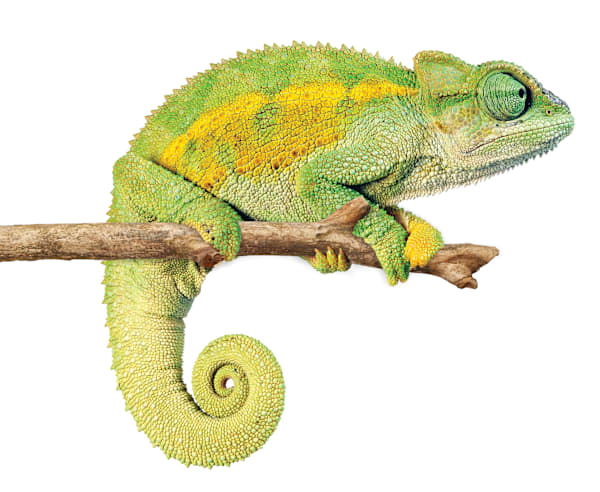
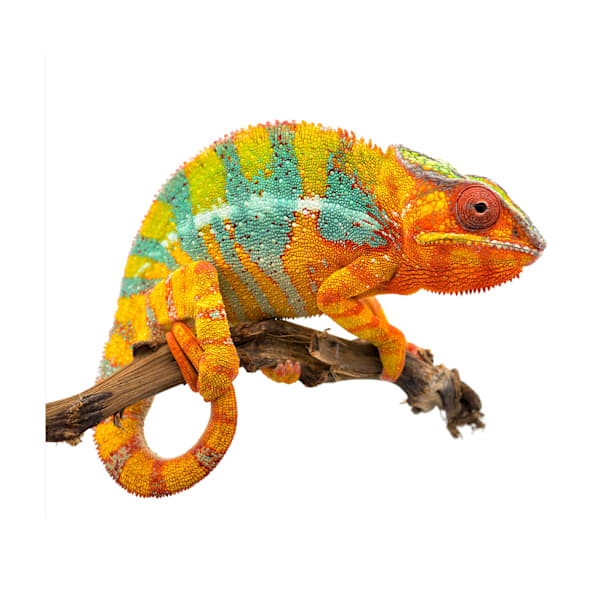
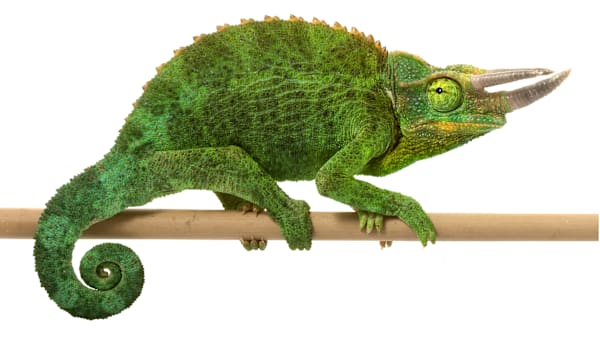
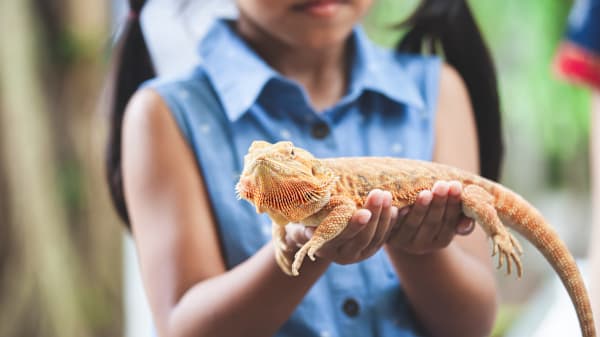
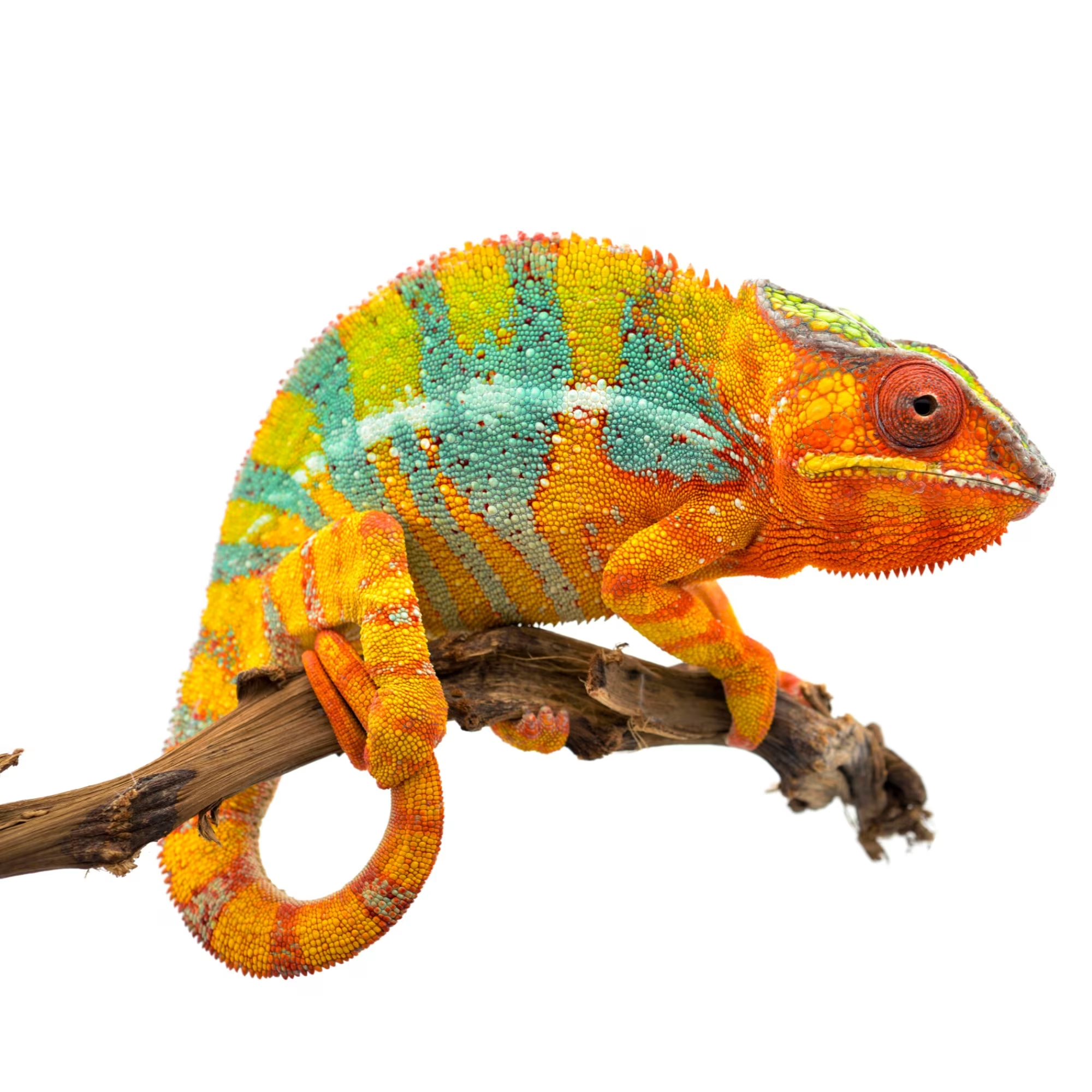
When it comes to low-maintenance pets, lizards are one of the most popular options among pet parents. Many enjoy being held from time to time but are also content to be left on their own. They generally eat less than other pets, and their food typically costs less than other pet food. Of all the pet reptiles, one of the most renowned and fascinating is the chameleon. Pet chameleons can be captivating to watch—not only due to many species’ unique ability to change colors but also for their prehensile tails, curious gait and independently mobile eyes.
FAQs About Chameleon Supplies
Depending on the breed and where you purchase one, a captive-bred chameleon pet can typically cost anywhere from $30 to $300. The Veiled Chameleon is one of the most common breeds among pet parents, one of the most affordable and one of the most recommended for new lizard pet parents. Panther Chameleons are one of the most expensive breeds due to the difficulty of breeding them and their reputation for being the most colorful and easy to handle.
However, the cost of purchasing a chameleon is just a portion of what you’ll pay over their lifetime. You’ll also spend money on chameleon pet supplies like a habitat, food, lamps and specific bedding for chameleons. Your pet will also require trips to a reptile veterinarian. Still, the cost of food over their lifetime and the amount of time you’ll spend taking care of them are often less than they would be with a cat or dog, which can offset some of this cost depending on your needs as a pet parent.
Yes. Like many reptiles and lizards, chameleon pets can and will likely sometimes bite when they feel threatened or stressed. Their tendency to bite can depend on the individual pet, as some chameleons are more friendly or prefer to be handled more than others.
Luckily, these lizards do not carry poison, and most breeds do not have a forceful enough bite to break your skin, except larger breeds like the Parson’s chameleon, Panther chameleon and Malagasy giant chameleon. Additionally, these lizards typically only bite as a last resort when hiding among chameleon cage décor like cork logs or plants isn’t enough to be left alone.
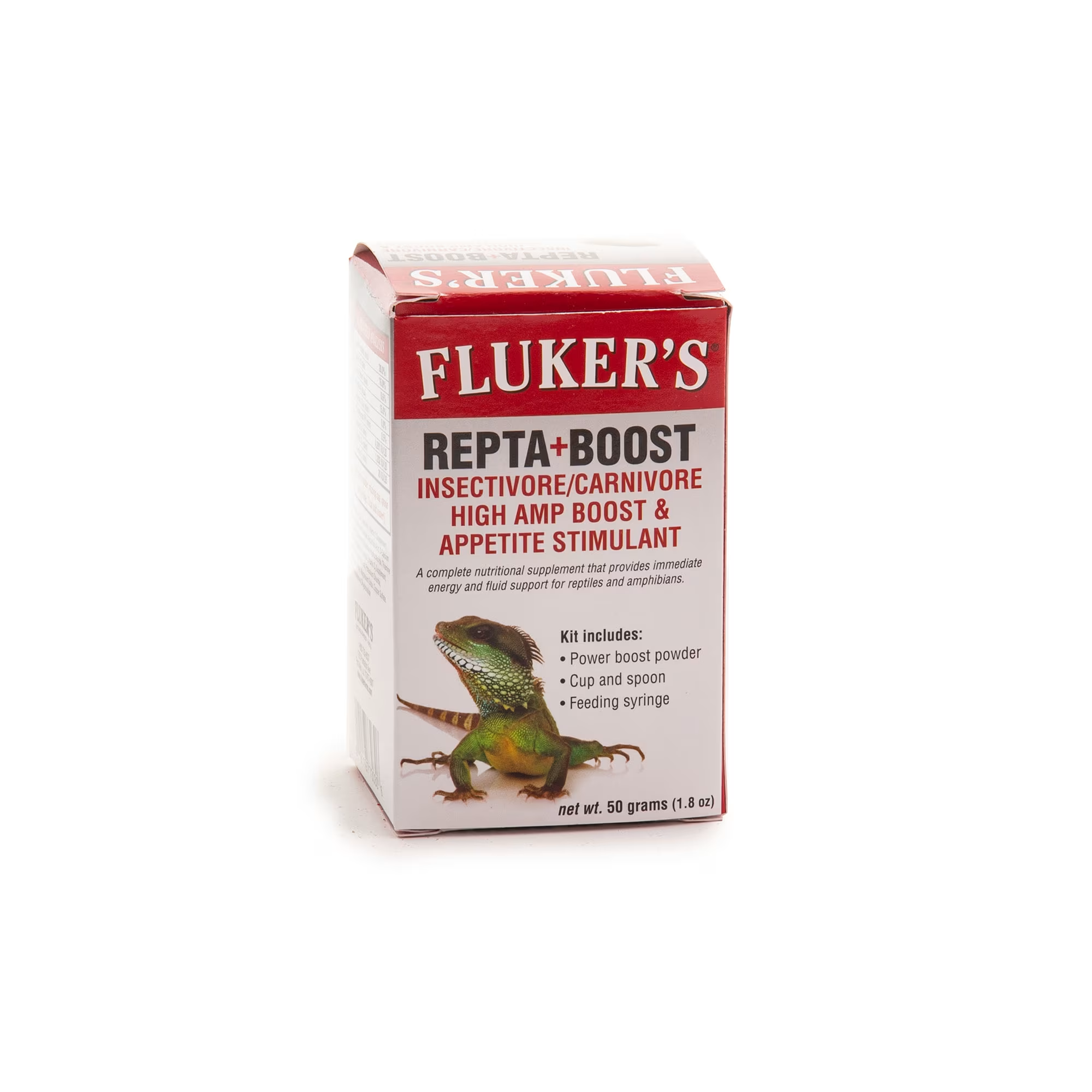
Typically, chameleon food consists of gut-loaded insects like crickets, roaches, waxworms, cicadas, earthworms, etc., as well as dark, leafy greens like kale, collard greens and pothos. Pet parents can also feed insects leafy greens before serving them to their lizards to help deliver an extra dose of nutrients. Live insects are highly recommended as they provide more nutrition and help your chameleon sharpen their inherent hunting skills. Chameleon cricket food and other insects should also be dusted with calcium supplements daily and multi-vitamin supplements weekly to ensure proper nutrition.
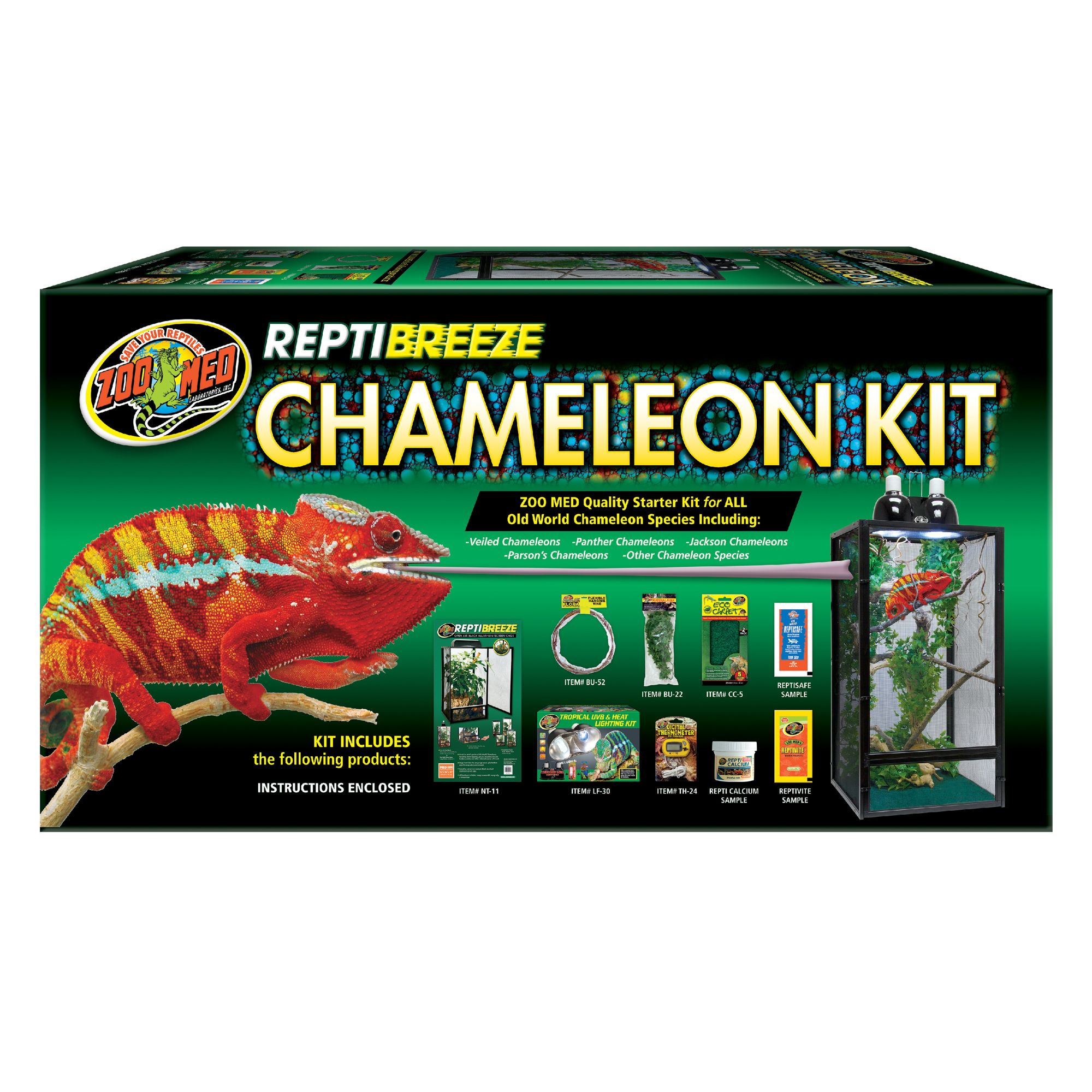
While the answer to this question can vary slightly depending on breed, there are several chameleon supplies that all breeds need in their habitat.
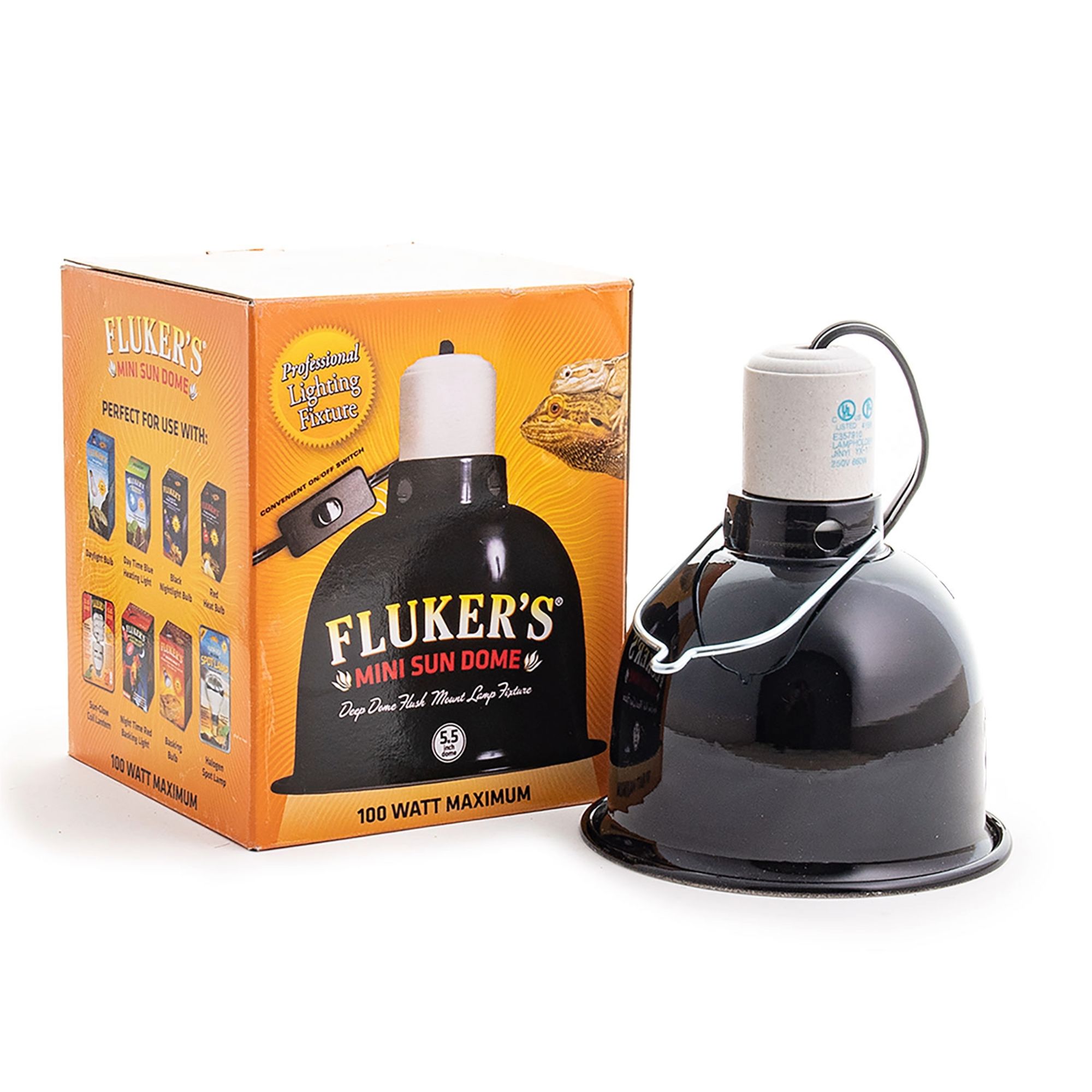
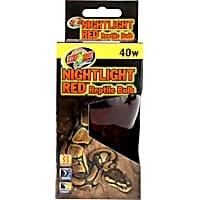
- Chameleon heat lamps
- UVB light
- Chameleon cage décor like vines or branches
- Live plants for humidity and cover
- Thermometer or Hygrometer
- Substrate or bedding for chameleons
- Misting system and fogger—optional, but can be convenient
- Screen top for your chameleon terrarium