Two Easy Ways to Start Earning Rewards!
Become a member today! Members-only pricing and offers, personalized care notifications, Vital Care points back on every purchase and more!
 Become a credit card member today!
Earn 2X Pals Rewards points at Petco
when you use Petco Pay!APPLY NOWLearn More About Petco Pay Benefits
Reptile Substrate & Bedding
Get It Today

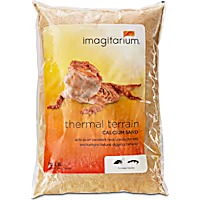


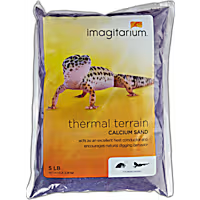
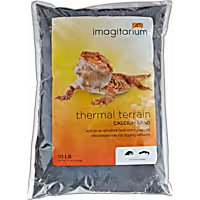
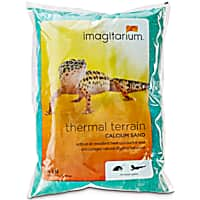


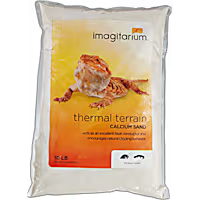
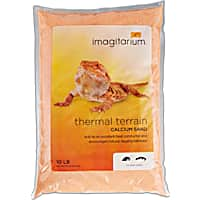
Reptile Bedding and Substrate
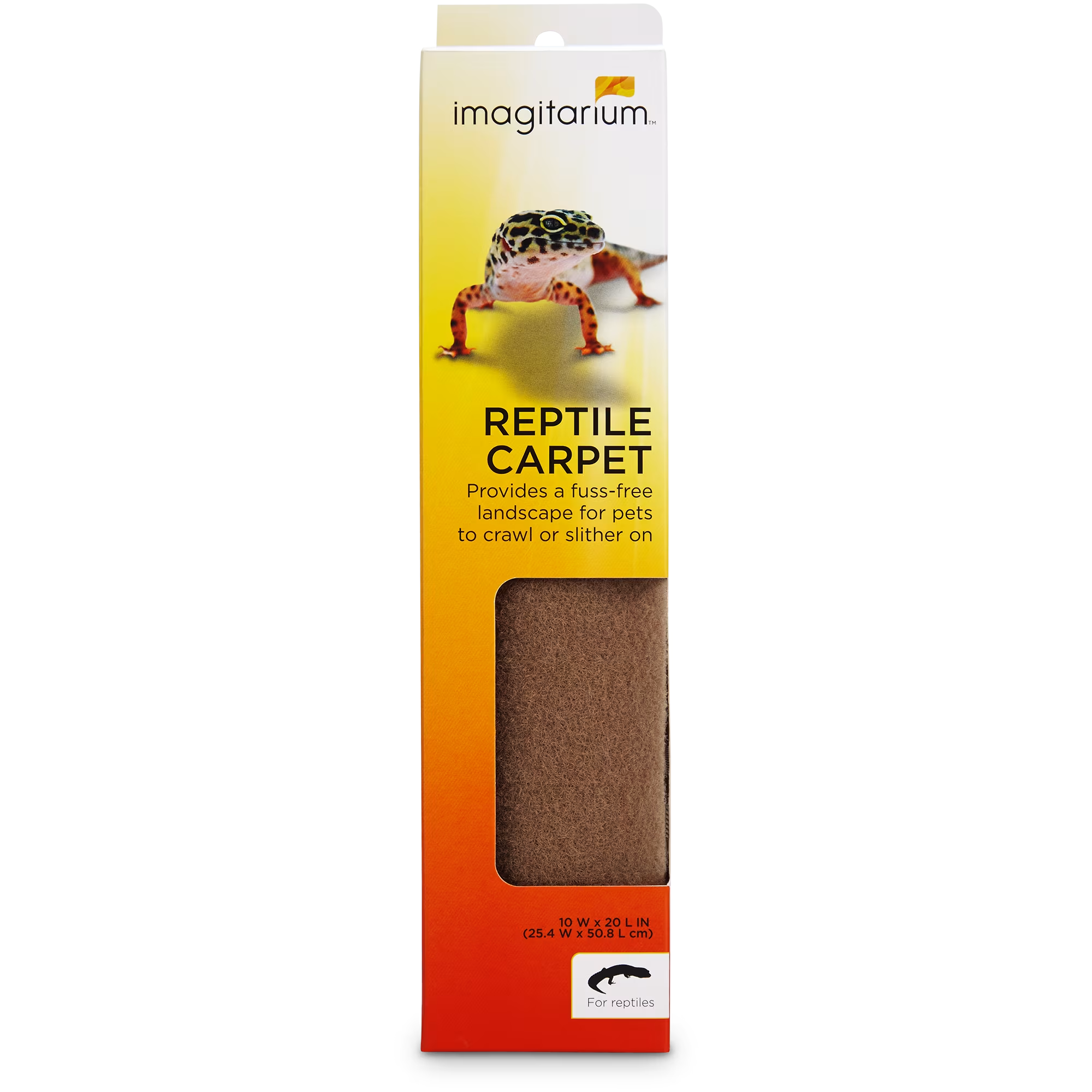
Proper substrate is an important element in any reptile's home. Not only will it help absorb droppings to help keep your reptile clean, but it also aids in encouraging natural behaviors such as digging and burrowing.
FAQs About Reptile Bedding and Substrate
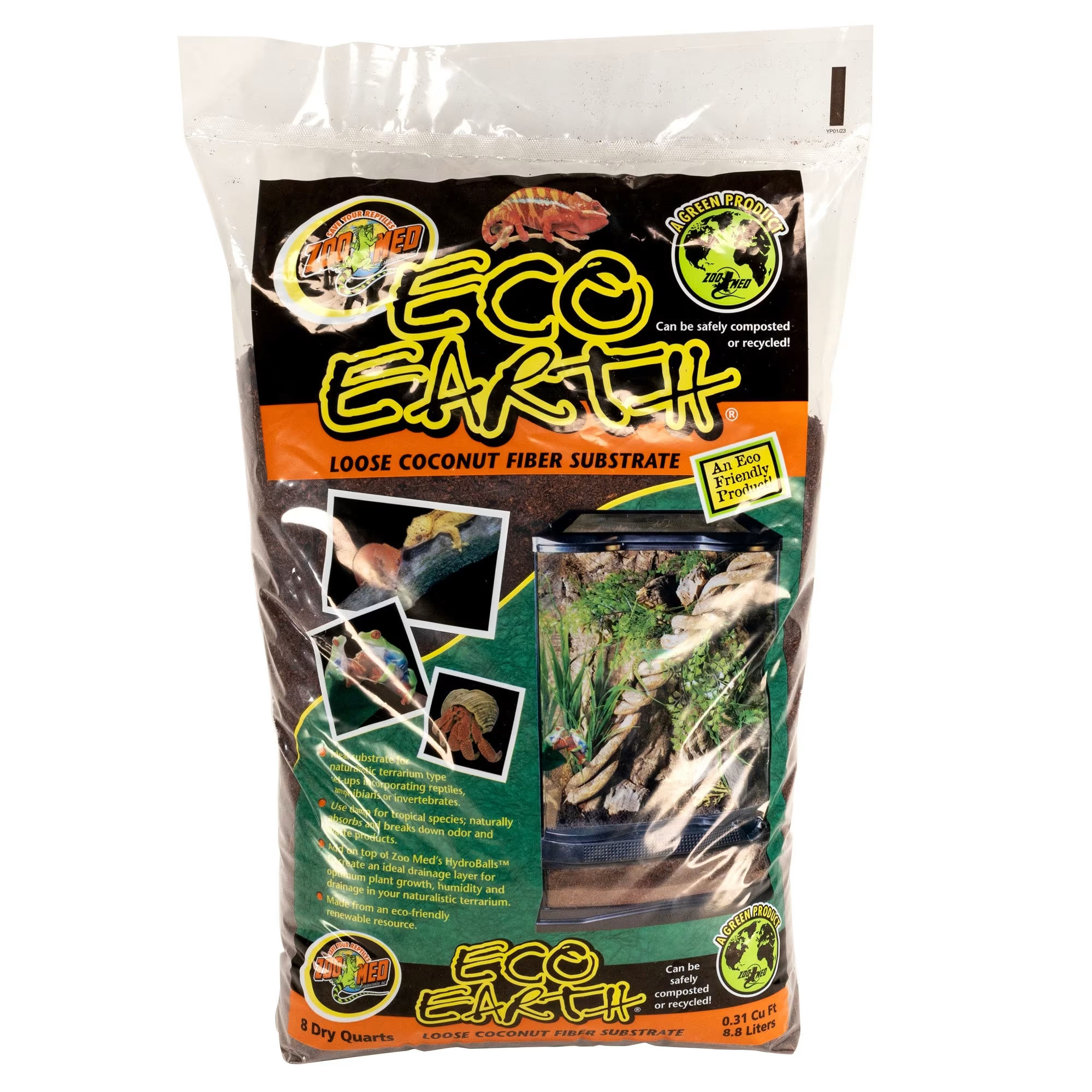
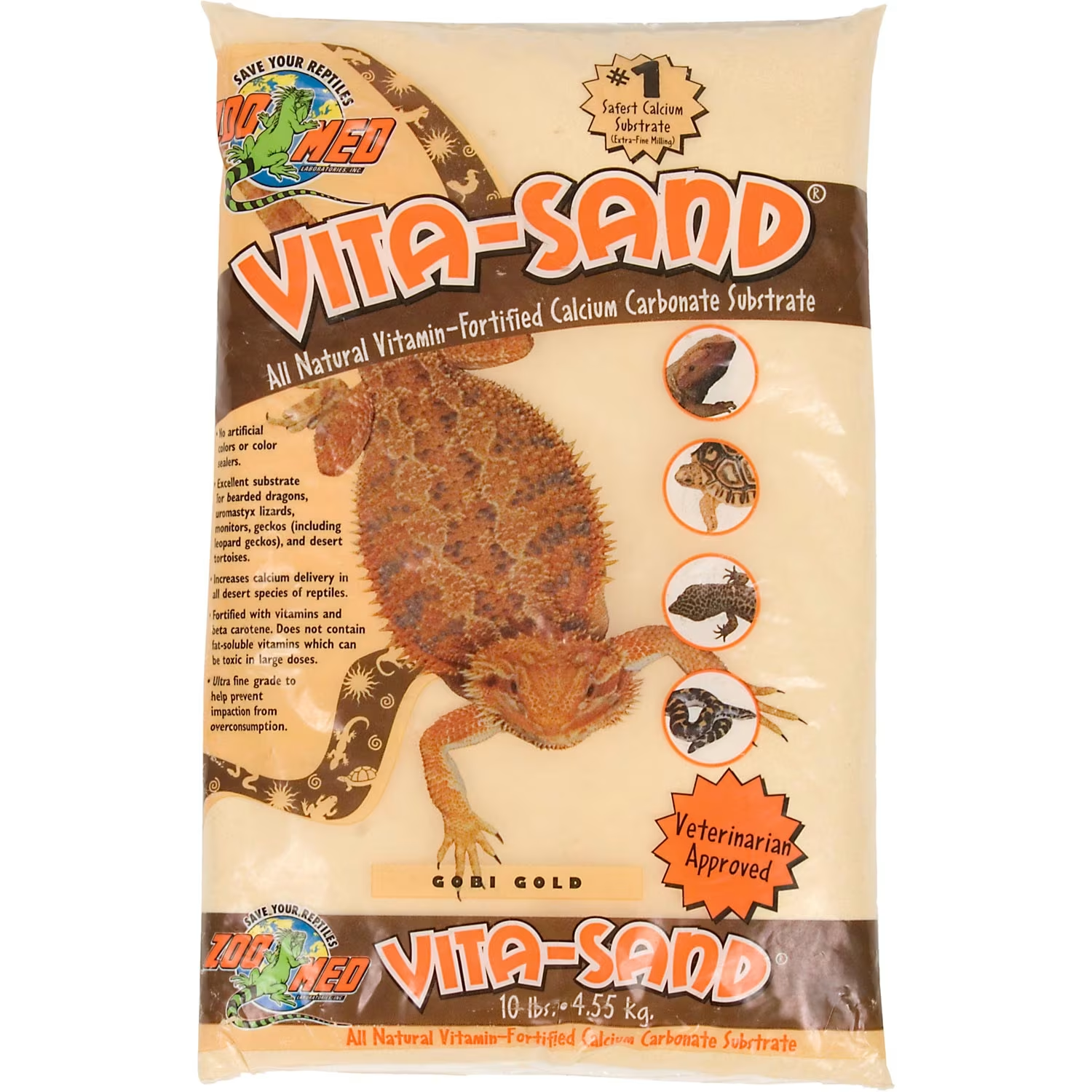
This will vary depending on species, and should mimic their natural environment. A variety of substrates—such as coconut fiber or forest floor—are made to hold humidity and more suited for tropical pets, while some—such as sand—will be geared more towards your arid reptile's home terrain.
Sand developed specifically for reptiles is made of ultra-fine grain to reduce the risk of impaction and some even have included vitamins and minerals in case small amounts are ingested.
This will vary based on your reptile and the size of your habitat. You can spot clean some substrates and fully change them every one to two weeks. Substrates that are kept moist to maintain humidity should be changed more often.