


Two Easy Ways to Start Earning Rewards!
Become a member today! Members-only pricing and offers, personalized care notifications, Vital Care points back on every purchase and more!
 Become a credit card member today!
Earn 2X Pals Rewards points at Petco
when you use Petco Pay!APPLY NOWLearn More About Petco Pay Benefits
Guinea Pig Care: Ultimate Guide to Food, Habitat, Health & Happiness
Published on April 25, 2024
Updated on July 18, 2026

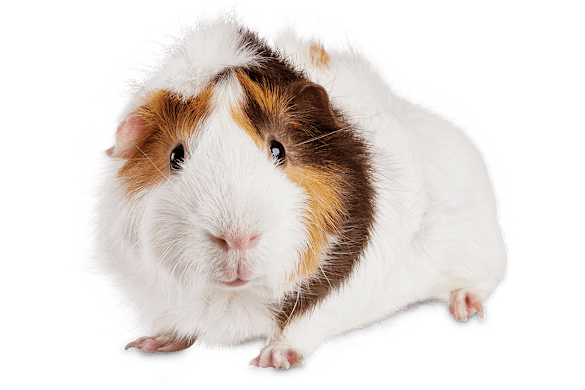
Guinea Pigs are social companion animals that require daily interaction. They communicate by making various sounds that have different meanings, and “popcorn” or jump in the air when happy. Includes Hairless Guinea Pigs.
Guinea pigs are social companion animals that require daily interaction. These rodents possess an extensive vocabulary and communicate by vocalizing various sounds that have different meanings. One of the most unique behaviors they express is "popcorning," in which they jump and twirl in the air when they are very happy. There are both haired and hairless guinea pigs and more than 20 recognized breeds.
Typical guinea pig appearance and behavior
- Easy to handle when properly socialized
- Prefer a routine with a similar time for playing, feeding and resting each day
- Will hide in objects but come out when people are near their habitat
- Active and friendly pets, but need time to acclimate to new environments and to be socialized
- Because their open-rooted teeth grow continuously, they require items to chew on, such as hay, mineral chews, chew sticks, toys, and treats that encourage gnawing to wear down their teeth or they may develop dental problems
Characteristics
| Care Difficulty | Good beginner pet for families |
|---|---|
| Average Life Span | Up to 8 years with proper care |
| Average Adult Size | 8-16 inches |
| Diet | Herbivore |
| Minimum Habitat Size | 36” L x 24” W x 18” H minimum (approximately 6 square feet per guinea pig) |
Supplies
- Appropriately sized habitat
- High-quality pelleted guinea pig food
- Timothy or other grass hay
- Treats
- Bedding
- Food bowl/water bottle
- Hideaway place
- Toys
- Hay rack
- Wood chews
- Mineral chews
- Vitamin C supplement
- Soft brush and nail clippers
- Cardboard chew tubes
Guinea pig habitat
Habitat size
For one guinea pig, a minimum 36"L x 24"W x 18"H escape-proof, well-ventilated habitat with solid flooring to prevent foot sores and provide plenty of room for exercise and play. Provide the largest habitat possible.
Building your habitat
Guinea pigs acclimate well to average household temperatures; environmental temperatures should not exceed 80°F, as guinea pigs are likely to overheat at high temperatures. The habitat should never be in direct sunlight or in a drafty area.
- Bedding Place 1-2 inches of high-quality paper-based bedding in the habitat. Use, either commercially available shredded or pelleted paper bedding meant to absorb waste products. Paper-based products are preferred over wood bedding, as they are digestible if ingested. Ingested wood bedding can lead to gastrointestinal obstruction. Cedar-based products also contain oils that can irritate guinea pigs’ skin and respiratory tract.
- Décor Guinea pigs should be provided with a hide box for privacy. Each guinea pig in a habitat should have their own hide. Commercially available hide boxes made from hard plastic, wood, edible materials or cardboard that is made to be chewed are acceptable as hiding boxes.
What Do Guinea Pigs Eat
A well-balanced guinea pig diet consists of:
- Pelleted Food: High-quality pelleted food formulated specifically for guinea pigs offered in limited quantities (about ¼ cup per day).
- Hay: Unlimited amounts of timothy hay (or other grass hay such as orchard grass, oat or meadow hay). Note that Alfalfa hay contains higher amounts of calcium, fat and protein and is fine for young, growing, lactating, or breeding guinea pigs, but should not be fed to adults except as an occasional treat. Excess alfalfa fed to adults can lead to obesity and the development of bladder stones.
- Vegetables and Fruit: Limited amounts of fresh vegetables (mostly leafy greens and bell peppers for Vitamin C) and fruits (high-fiber options like apples and pears).
- Treats should not exceed 10% of their total diet.
- Remove uneaten fresh food within 10 hours to prevent spoilage and infection.
- Excess fruit or pelleted food contains too much carbohydrate and can upset the normal balance of bacteria in the intestinal tract, leading to diarrhea, bloating and decreased appetite.
- Vitamin C: Since guinea pigs cannot produce Vitamin C naturally, they require 30 to 50 mg daily from pelleted food, supplements, and vegetables.
- Water: Clean, fresh, filtered, chlorine-free water, changed daily, should be offered in a water bottle.
Things to avoid: Do not feed chocolate, caffeine or alcohol, as these are toxic to guinea pigs and can cause serious medical conditions and death. Avoid sugar and high-fat treats, as guinea pigs’ intestinal tracts are not adapted to digest these foods.
How to take care of your guinea pig
- Guinea pigs stay clean and rarely need baths but can be spot-cleaned with a damp washcloth and mild, unmedicated soap (rinsed thoroughly) or unscented baby wipes, if needed.
- Fur may be brushed with a soft brush. Long-haired guinea pigs should be brushed a few times per week to decrease hair ingestion and prevent tangles.
- Hairless guinea pigs benefit from a small amount of nontoxic, aloe-based lotion rubbed onto their skin to help keep it soft.
- Guinea pigs need their nails clipped approximately once a month.
- While other rodents’ teeth are covered in yellow enamel, guinea pigs’ enamel should be white. Discolored teeth in guinea pigs should be examined by a veterinarian.
- Consult a veterinarian if a guinea pig's teeth or nails seem too long or if they are salivating excessively or dropping food as they eat.
Where to buy a guinea pig
Guinea pigs are available at Petco. Call your local location ahead of time to check availability.
Habitat mates
Guinea pigs may be kept in same-sex pairs if they are raised together; otherwise, keep adult guinea pigs housed separately. Males and females should not be housed together unless the males are neutered or the females are spayed, as guinea pigs reproduce quickly after just a few months of age. Different species of small animals should not be housed together. In particular, rabbits and guinea pigs should never be housed together, as each carries bacteria in their respiratory tracts that can cause illness in the other one.
Guinea pig health
Signs of a healthy guinea pig
- Active, alert and sociable
- Eats and drinks regularly
- Passes normal pelleted stool
- Healthy fur and skin (not itchy, no hair loss)
- Eyes, nose and mouth free of discharge (mucoid tear production is normal)
- Breathing is unlabored
- Walks normally
- Communicates by squeaking
Red flags (If you notice any of these signs, contact your veterinarian.)
- Weight loss
- Abnormal hair loss
- Itchy, scabbed skin
- Diarrhea or dirty bottom
- Lack of fecal pellets
- Distressed breathing
- Lethargy
- Eye or nasal discharge
- Drooling
- Skin lesions
- Overgrown teeth
- Labored breathing
Common Health Issues
| Health Issue | Symptoms or Causes | Suggested Action |
|---|---|---|
| Diarrhea | Symptoms or Causes Loose stool caused by poor diet (lack of fiber/too little hay/excess carbohydrate/too many pellets), stress, internal parasites, unclean housing or other illness. | Suggested Action Consult a veterinarian to determine cause and treatment. |
| Malocclusion | Symptoms or Causes Overgrown teeth. Drooling, dropping food, inability to close mouth, weight loss. | Suggested Action Consult a veterinarian to have teeth trimmed regularly. |
| Mites/lice | Symptoms or Causes External parasites can cause guinea pigs to lose patches of hair and be itchy. With mite infestation, mites bury under skin and cause intense itching and seizures. | Suggested Action Consult a veterinarian for treatment. Thorough environmental disinfection and cleanup. |
| Ringworm | Symptoms or Causes Skin infection caused by fungus manifested as patchy hair loss and dry flaky skin, especially around the face and ears. | Suggested Action Consult a veterinarian. Thorough environmental disinfection and cleanup. |
| Scurvy | Symptoms or Causes A disease caused by vitamin C deficiency resulting in poor appetite, sore joints, increased susceptibility to infection and chest and bleeding from the gums. | Suggested Action If untreated, can be fatal.Consult a veterinarian immediately. |
| Pneumonia | Symptoms or Causes Discharge from eyes, nose. Difficulty breathing. Sneezing and coughing. | Suggested Action Consult a veterinarian immediately. |
| Pododermatitis (sore foot or bumblefoot) | Symptoms or CausesRed skin, scabs or open sores on the bottom of feet. Lameness, pain when walking, lying down more often. Caused by dirty, damp habitat conditions, obesity. | Suggested Action Consult a veterinarian. Thoroughly clean and disinfect the environment. Provide dry bedding. Ensure a balanced diet is provided. |
Notes and sources
Ask a Pet Care Center associate about Petco's selection of products available for the care and happiness of your new pet. All products carry a 100% money-back guarantee.
Because all small pets are potential carriers of infectious diseases such as ringworm, lymphocytic choriomeningitis and salmonella, always wash your hands before and after handling your small pet or habitat contents to help prevent the potential spread of disease.
Pregnant women, children under the age of 5, senior citizens and people with weakened immune systems should contact their physician before purchasing or caring for small pets and should consider having a pet other than a guinea pig.
Go to the Centers for Disease Control at cdc.gov/healthypets for more information about small animals and disease.
Note: The information in this Care Sheet is not a substitute for veterinary care. If you need additional information, please contact your veterinarian.
FAQs
Guinea pigs can live up to 8 years with proper care.
Pet guinea pigs should be offered high-quality pelleted food formulated specifically for guinea pigs (about ¼ cup per day). Unlimited amounts of timothy (or other grass hay (such as orchard grass, oat or meadow hay), and limited amounts of vegetables and fruits should also be provided. Leafy greens and bell peppers are great sources of vitamin C for guinea pigs.
Guinea pigs are crepuscular, meaning they are more active at dawn and dusk.
Guinea pigs, in nature, are found in Brazil, Peru and Argentina and are also called cavies.
Guinea pigs are rodents. They are also highly social and communicative and make great pets.
Petco sells both haired and hairless guinea pigs, although selection varies by location. Rescues and animal shelters also sometimes have guinea pigs for adoption.
Guinea pigs like time outside of their habitat to socialize and exercise, wooden and cardboard toys to chew on, lots of hay, places to hide and occasional treats.
A properly socialized guinea pig may enjoy being held and brushed. Care must be taken while holding as they can be easily injured if they fall or are dropped.