


Two Easy Ways to Start Earning Rewards!
Become a member today! Members-only pricing and offers, personalized care notifications, Vital Care points back on every purchase and more!
 Become a credit card member today!
Earn 2X Pals Rewards points at Petco
when you use Petco Pay!APPLY NOWLearn More About Petco Pay Benefits
Azithromycin for Dogs & Cats: Bacterial, Rickettsial & Parasitic Treatment
 Earth Animal Natural Remedies Cough, Wheeze & Sneeze Liquid Homeopathic Respiratory Supplement for Dogs & Cats, 2 fl. oz.
View Details
 Pet Wellbeing Gold Natural Cough & Throat Soother Supplement for Dogs, 2 fl. oz.
View Details
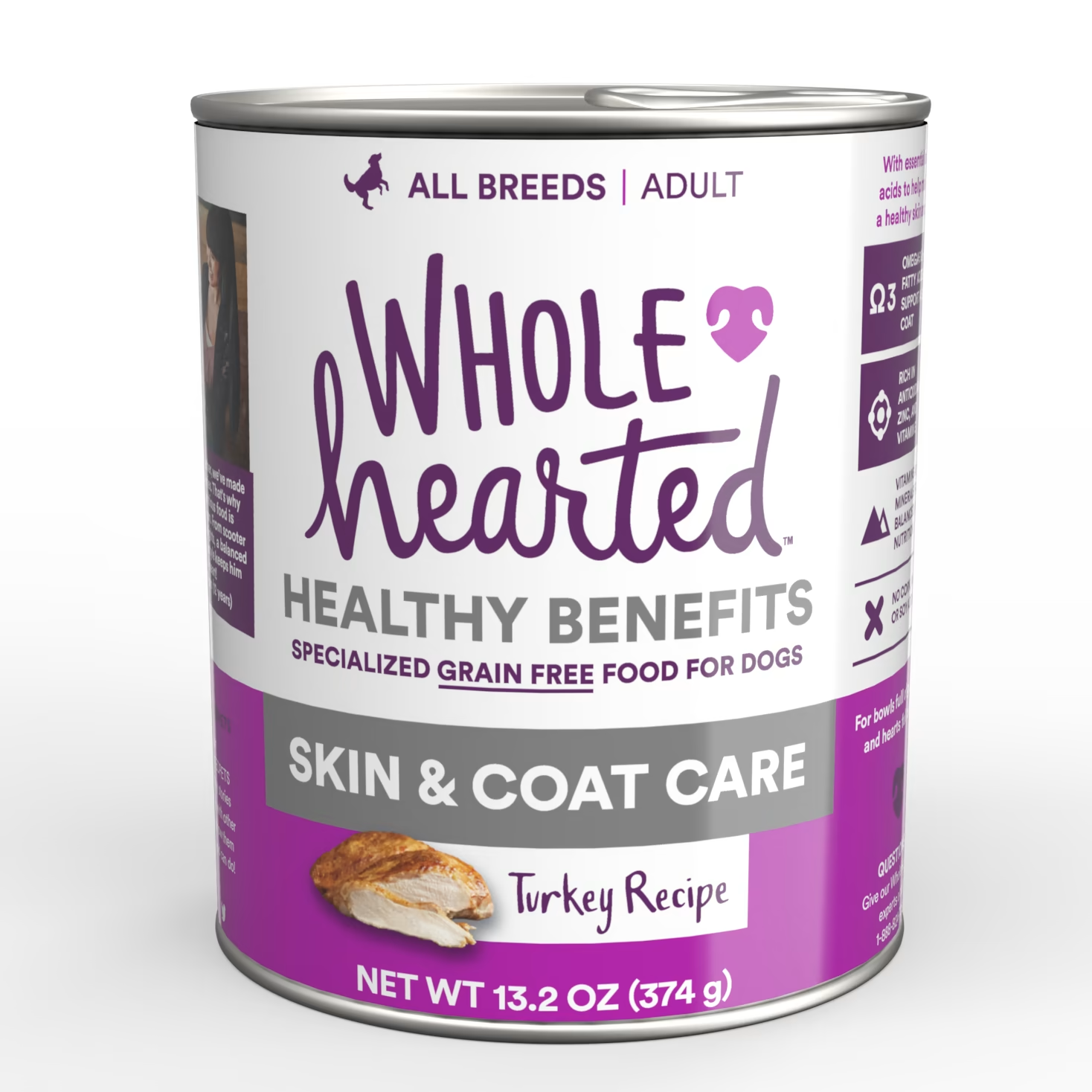 WholeHearted Skin & Coat Care Turkey Recipe Wet Dog Food, 13.2 oz., Case of 12
View Details
 PureBites+ Skin & Coat Freeze Dried Dog Treats, 3 oz.
View Details
 Royal Canin Canine Care Nutrition Small Sensitive Skin Care Adult Dry Dog Food, 3 lbs.
View Details
Macrolide antibiotic used to treat various infections common in dogs, cats, and other pets
Summary
Used For:
A variety of bacterial, rickettsial and parasitic infections
Brands:
Zithromax
Species:
Dogs, cats, horses, small mammals, rodents, birds
Other names:
Zmax, Z-Pak
Drug type:
Antibiotic
Prescription required:
Yes
Pregnancy and lactation:
The safety of azithromycin in pregnant and lactating animals has not been determined.
Side effects:
Gastrointestinal upset
General description
Azithromycin is a macrolide antibiotic used to treat various infections common in dogs, cats, and other pets.
Uses
Susceptible bacterial infections including urinary tract infections, respiratory tract infections, oral infections, skin infections, soft tissue infections; as well as certain rickettsial and parasitic infections.
How it works
Azithromycin is a bacteriostatic antibiotic that stops bacterial growth by inhibiting protein synthesis in susceptible bacteria.
Dosage
Dogs: 5 – 10 milligrams per kilogram of body weight by mouth every 24 hours.
Cats: 5 – 10 milligrams per kilogram by mouth every 24 hours.
Horses: 10 milligrams per kilogram by mouth every 24 hours.
Rodents/Small Mammals: 15 – 50 milligrams per kilogram of body weight by mouth every 24 hours. Discontinue if soft stool occurs.
Birds: 10 – 40 milligrams per kilogram by mouth every 24 - 48 hours.
Forms
Azithromycin Oral Tablets: 250, 500, 600 milligram sizes
Azithromycin Oral Solution: 100 milligram per 5 milliliters, 200 milligrams per 5 milliliters.
Storage information & handling
Tablets: store at room temperature protected from moisture and light
Reconstituted liquid: store at room temperature and use within 10 days. Shake oral suspension well before use.
What results can I expect?
Assuming that the infection being treated is susceptible to azithromycin, resolution of the infection should occur during the treatment period.
Missed Dosage
Give the dose as soon as possible. If it is almost time for the next dose, skip the missed dose, and continue with the regular schedule. Never give two doses at once.
Overdose / acute toxicity
Overdose may cause significant vomiting and diarrhea.
Side effects
- Vomiting
- Diarrhea
- Decreased appetite
- Liver disease (rare)
- Facial swelling/hives (rare)
- Anaphylaxis (rare)
Contraindications
Azithromycin should not be used in animals with:
- Macrolide sensitivity
- Hepatic disease
Drug interactions
The following drugs may interact with azithromycin:
- antacids
- cisapride
- cyclosporine
- digoxin
- phenytoin
- pimozide
- warfarin
Antacids should be administered at least 2 hours before or after azithromycin.
Precaution
Safety in pregnant or nursing animals has not been determined, use only when clearly necessary. Prolonged or repeated use of antibiotics may result in superinfection by resistant organisms
Sources
Plumb’s Veterinary Drug Handbook
VIN Veterinary Drug Handbook
Disclaimer
The information contained on this page is for educational purposes only. This medication should only be given under the advice of a veterinarian who has examined your pet under the laws applicable to your state of residence.