Two Easy Ways to Start Earning Rewards!
Earn 2X Pals Rewards points at Petco
when you use Petco Pay!
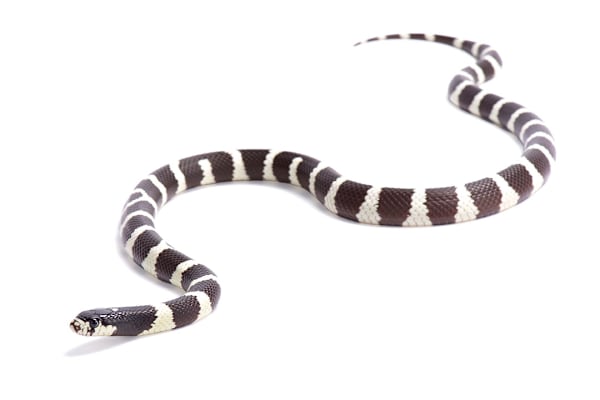
Learn how to take care of King Snakes, recommended diet and habitat. Find the right food, supplies and equipment at your neighborhood Petco.
Updated on April 9th, 2026
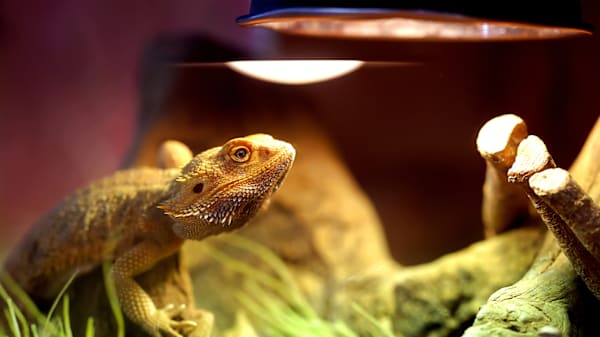
Learn the importance of UVB light for your reptiles and the right reptile lights for your pet’s habitat.
Updated on July 17th, 2026
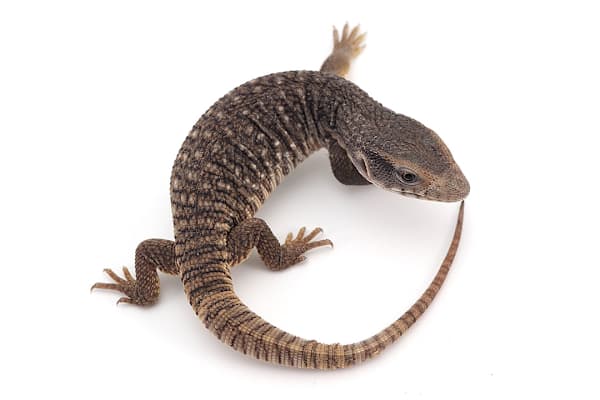
Learn how to care for a monitor lizard, recommended diet and habitat setup. Find the right food, supplies and equipment at your neighborhood Petco.
Updated on April 9th, 2026
Learn some fun facts about ball pythons, which are available at Petco. There’s lots to learn about these fun and cool pets.
Updated on April 9th, 2026
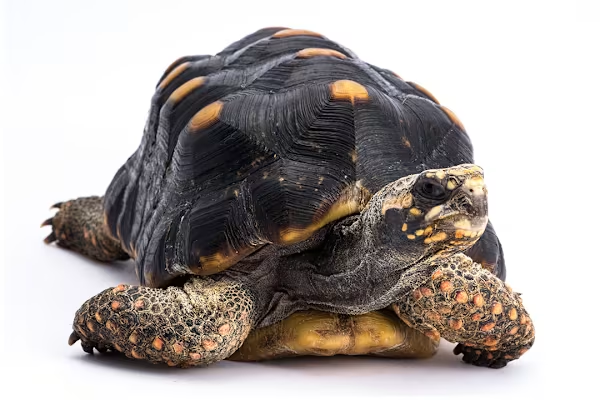
Learn how to care for tropical tortoise, recommended diet & habitat setup. Find the right food, supplies & equipment at your neighborhood Petco.
Updated on April 9th, 2026
He needs to be physically examined by your veterinarian or a vet experienced in treating reptiles. An x-ray will likely be recommended after an exam. A fine needle aspirate may also be recommended to collect samples for pathology if it turns out to be a mass or tumor.
Updated on September 24th, 2025
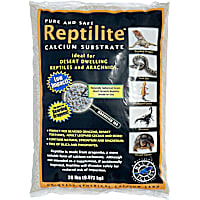
Although some expert may disagree, as long as Ash isn't ingesting the calcium sand then you can continue to use it. Calcium sand is not the same as play sand which would not be recommended. If you don't want to use calcium sand, consider slate, reptile carpet or even paper towels for easy cleaning.
Updated on September 24th, 2025
Often when a reptile doesn’t want to eat, it is a sign that they don’t feel well. The most common reason behind them not feeling well is imperfections in their husbandry and diet. I would recommend consulting an online care sheet to ensure that your husbandry is as perfect as possible. Common areas of imperfection include temperature, lighting, and humidity. I would also recommend having Ash seen by a veterinarian, as they can help to counsel you about Ash’s husbandry as well. In addition to a thorough physical examination, they may recommend diagnostic testing including radiographs (x-rays) and blood work to evaluate systemic health. I hope that gives you a place to start, and thanks for using Petco Pet Education Center, formerly Petcoach!
Updated on September 24th, 2025
This kind of lump/growth needs to be ideally assessed by your veterinarian to have a definitive and specific answer. Usually there are two ways your vet can do that a part from examining it directly during physical examination. A biopsy can be taken under local or general anesthetic, otherwise a smaller sample through a fine needle can be aspirated (this technique is called FNA= fine needle aspiration). Differentials include infections, benign or more sinister type of tumors. Please do not hesitate to contact us again on the forum or by requesting a consultation if you have any more questions or to discuss it any further.
Updated on September 24th, 2025
Without an image, it is difficult to determine. It may indeed be an introduced species. Another possibility would be a slow worm , or legless lizard which are common in the UK. If you still have it, submit it to a veterinarian experienced in treating reptiles or to a zoo for identification.
Updated on September 24th, 2025