Two Easy Ways to Start Earning Rewards!
Earn 2X Pals Rewards points at Petco
when you use Petco Pay!
Get It Today
Read more about changes in your pet birds' behavior like biting, feather plucking and more.
Updated on July 17th, 2026
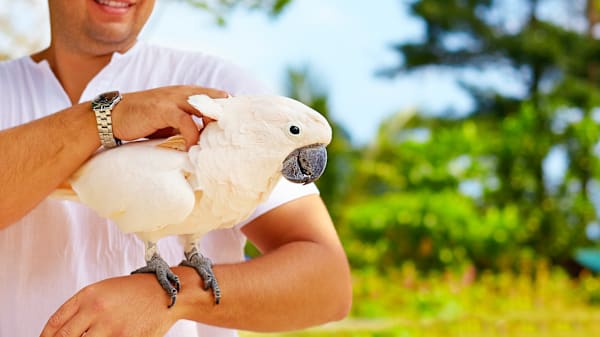
A number of factors go into finding the best pet bird for you and your family. Read through these questions and tips to select which life long companion is right for you.
Updated on June 12th, 2026
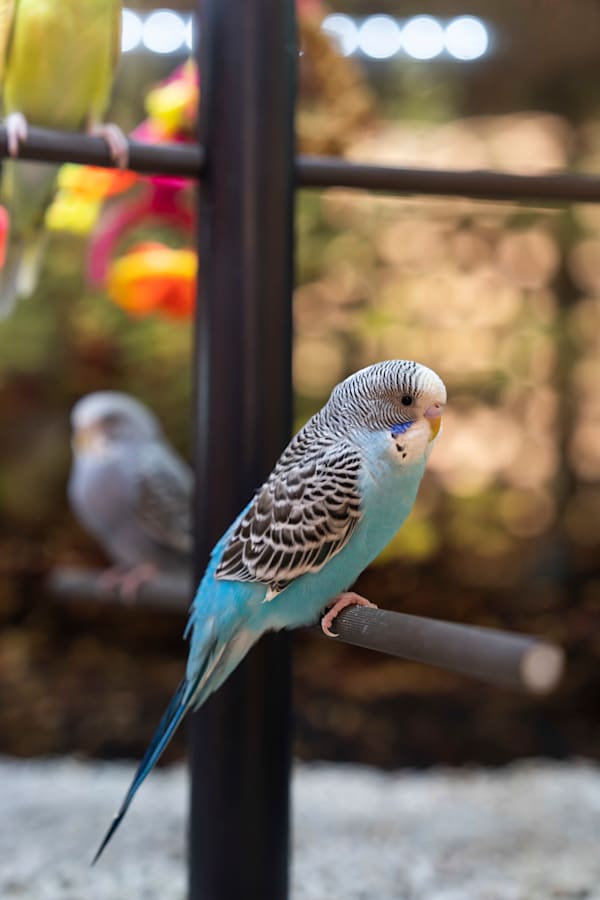
Parakeets can make great pets. Take a look at these fun facts about these winged companions and wow your friends with your knowledge.
Updated on October 23rd, 2025
Birds can carry infectious diseases so it's important to know what precautions you can take to prevent them. Petco can help you learn more about your bird.
Updated on October 23rd, 2025
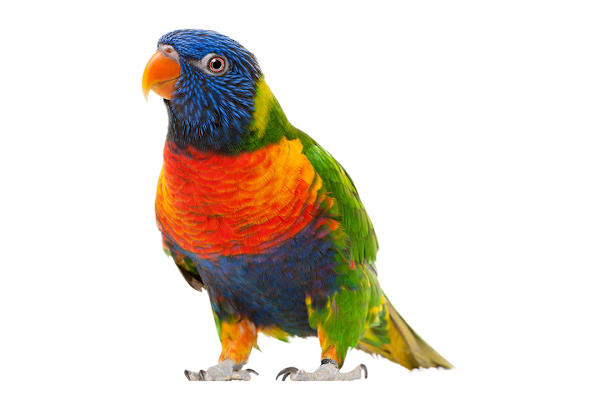
Learn how to take care of Lory and Lorikeets, recommended diet and habitat. Find the right food, supplies and equipment at your neighborhood Petco.
Updated on April 9th, 2026
Without knowing the size of the cage, it is hard to give advice. If they have a large flight cage where they can easily move around and exercise, then that may be enough. Adding in some fun toys to explore, moving dishes and toys around or rotating them out, offering treats to chew on, etc can all help increase enrichment and make things more fun for your birds. If they're kept in very small cages, then looking for a playpen that can fit in the room or on top of the cage may be nice for your birds to climb on or play on. However, finches tend to explore more and may want to fly around, so it is best to make sure they are only let loose in rooms where they can easily be caught again and cannot fly into windows, doors, or other dangerous objects that can cause injury or death.
Updated on September 24th, 2025
Feed a good quality pelleted diet (Harrison's, Roudybush, Lafeber, Pretty Bird or Exact) supplemented with a fortified seed mix and fresh greens and vegetables. Provide a cuttlebone or mineral block. Always have fresh water available. Provide an appropriately sized nesting box and suitable nesting material (straw, Aspen shaving, shredded newspaper, etc.).
Updated on September 24th, 2025
Thanks for your question about Hazlet, and thank you for the photos - they are very helpful. You are correct in that Hazlet is more fluffed than a normal canary should be. You are also correct that this can be a sign of illness (it is part of what we call the "sick bird posture" - this also includes sitting low on the perches or sitting on the ground, closing the eyes, tucking the head, faster breathing). It can also be a sign of stress, or being cold as well. I would recommend that you evaluate where the cage is located - is it near a window, near an outside wall, or near a door? Is the temperature in your house 70F or below - if so, I would recommend increasing the temperature. Now that it has been two days since you posted (I apologize for the delay, by the way), if this has continued and the temperatures and cage location are appropriate, it may be time for a veterinary visit. Often it can take a few days for a bird to get comfortable in their new environment, but if it is still going on now, I would recommend taking him in to see a veterinarian. They can perform a physical examination, and depending on the findings, may have treatment recommendations for you. They can also evaluate the husbandry/care/diet for Hazlet and may make recommendations that are tailored to you and to him. I hope that gives you a place to start, and thanks for using Petco Pet Education Center, formerly Petcoach.
Updated on September 24th, 2025
Hello again! These items look great for King, but the bag is correct - generally, parakeets and parrots should be fed a pellet-based diet to avoid fatty liver disease. Seed diets are high in fat (even without the sunflower seeds), so should be given as a treat supplementally only. Millet should also be given in moderation. Your bird can definitely have fruits, but include some veggies, too! Grapes, apple, banana, broccoli, kale, green beans, and peppers can be great for birds. Avoid avocado, apple cores/seeds, cherries (with seeds - seedless are ok) onion, and garlic. Dried fruits are ok too, just avoid the ones that have added sugar. I hope this helps! Good luck with King!
Updated on September 24th, 2025
It will take time, effort and plenty of patience. Start by placing your hand in the cage several times daily, leaving it there for ever increasing periods each time. You can try to offer Meep small treats, such as a bit of fruit. Eventually, she should come near your hand and land on your finger. Once she lands and perches on your hand regularly, you can try taking her out of the cage in a small, safe room for short periods of time.
Updated on September 24th, 2025