Two Easy Ways to Start Earning Rewards!
Become a member today! Members-only pricing and offers, personalized care notifications, Vital Care points back on every purchase and more!
 Become a credit card member today!
Earn 2X Pals Rewards points at Petco
when you use Petco Pay!APPLY NOWLearn More About Petco Pay Benefits
Wild Bird Food & Treats
Easy returns in store or by mail See policy
Easy returnsGet It Today

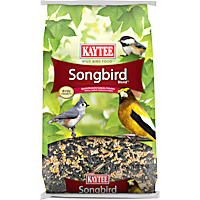

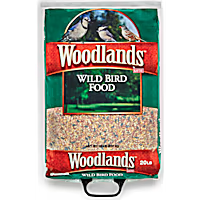

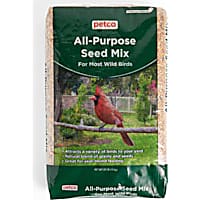
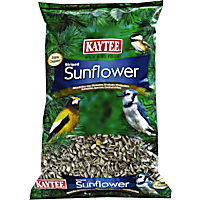


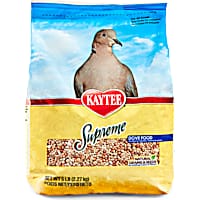
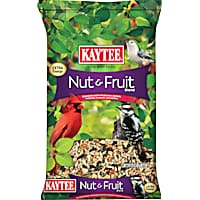
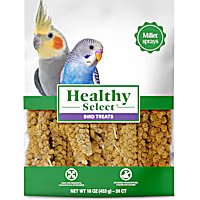

Wild Bird Food and Treats
Did you know that, aside from providing visual enjoyment for humans, backyard birds are also beneficial as pest, rodent and weed control? Or that they contribute to pollination and environmental conservation? By equipping your backyard bird setup with the right kinds of wild bird feed and treats—as well as bird houses and wild bird feeders and waterers—you could be doing more for your neighborhood than just giving your neighbors a chance to see wild birds.
FAQs About Wild Bird Food and Treats
Different types of wild birds have diets that vary significantly. Still, it’s generally safe to offer wild bird food in the form of oats and seeds, nuts, sugar water, suet, fruit and other options found in commercially available feed.
Birds eat all kinds of things in nature. To attract the backyard birds you’re looking for, try providing wild bird treats and food that contain the following ingredients:
- Flowers or sugar water for hummingbirds
- Sunflower seeds for cardinals and finches
- Thistle or other wild bird seed for various finches and doves
- Cracked corn for bluebirds and jays
- Suet for woodpeckers and overwinter birds
If safety guidelines are followed, feeding wild birds can be great for them and the environment. Especially after a harsh winter, many birds rely on feeders when they return home, and their natural food sources are still affected by the cold. You can take measures to ensure your feeders are harmless to the birds using them, including cleaning them with disinfectant solutions a few times a year and choosing feeders that cater to native birds in your area.
Even the best wild bird seed mix can cause an overabundance of birds at one feeder. You should also place different types of feeders and food at different locations in your yard, so birds of different species can have their own spaces—this also helps prevent diseases from spreading.