Two Easy Ways to Start Earning Rewards!
Become a member today! Members-only pricing and offers, personalized care notifications, Vital Care points back on every purchase and more!
 Become a credit card member today!
Earn 2X Pals Rewards points at Petco
when you use Petco Pay!APPLY NOWLearn More About Petco Pay Benefits
Dog Incontinence & Bladder Control Medicine
Easy returns in store or by mail See policy
Easy returnsGet It Today





Related Searches
Dog Incontinence and Bladder Control Medication
Have you noticed your dog leaving puddles around the house? They may be suffering from incontinence. The definition of incontinence in dogs is simple—it’s when your pet loses control of their urination system. It can occur in many forms, from slow “drips” to large amounts they can’t seem to hold, but it is always involuntary, and your dog may not even know it’s happening. Whether your dog struggles with urinary incontinence due to age, illness, or other factors, we have options such as supplements, diapers, and prescription medications to assist in improving their quality of life.
FAQs About Incontinence in Dogs
Incontinence in dogs can have several different causes. The most common are medical conditions like urinary tract infections, urinary stones, prostate disorders, hormonal imbalances or even inherited traits. Spinal conditions, old age and medications like diuretics can also cause incontinence. Kidney disease, diabetes and Cushing’s disease, which cause increased thirst, as well as bladder infections in dogs, can contribute to incontinence, making it worse. If your dog is losing control of their bladder, consult your veterinarian to get to the root cause.
Incontinence in dogs can also be caused by a bladder infection. In advanced stages, your dog may have a fever or become lethargic. If you see any unusual signs when your dog pees, it’s time to consult your veterinarian.
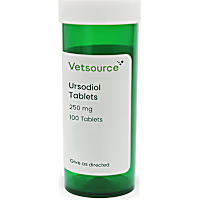
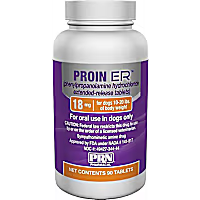
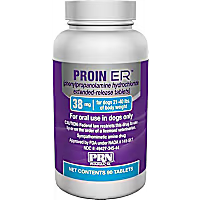
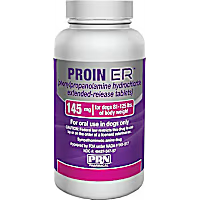
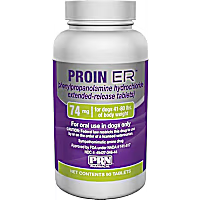
Treatment of incontinence in dogs will depend on the root cause. Your veterinarian may prescribe dog incontinence medication to treat an underlying condition such as an infection. Ursodiol can help treat bladder stones in dogs, while potassium citrate can help with kidney stones. Proin for dogs can help improve muscle tone so that your pup can control their bladder. Surgery is also an option if medication doesn’t work. Work with your veterinarian to create a treatment plan for your dog’s specific needs.