Two Easy Ways to Start Earning Rewards!
Become a member today! Members-only pricing and offers, personalized care notifications, Vital Care points back on every purchase and more!
 Become a credit card member today!
Earn 2X Pals Rewards points at Petco
when you use Petco Pay!APPLY NOWLearn More About Petco Pay Benefits
Snake Bedding & Substrate
Get It Today



Related Searches
Snake Bedding and Substrate
If you’re the pet parent of a wriggly reptile, you’ll need to find a snake substrate to line the bottom of their habitat. There are many options for substrate that accommodate your pet’s comfort and required humidity levels, but you should also consider which snake bedding works well for you. After all, as their pet parent, you’ll be the one cleaning and replacing substrate that becomes soiled with their urine and feces, so choose an option that makes this chore easier for you.
FAQs About Snake Bedding and Substrate
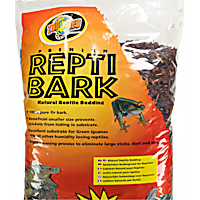
Snake substrate comes in various materials depending on what environment your particular breed of snake is used to in the wild. Calcium sand, aspen wood, walnut shells, coconut fiber, moss and bark can all make comfortable and supportive bedding for pet snakes, depending on their needs. With so many options, you’ll likely have some wiggle room to find some of the best snake bedding that matches your snake décor and accessories.
While the answer to this question greatly depends on the type of snake you have—and the type of bedding they use—soiled bedding should be removed and disinfected daily to avoid bacteria growth. You should consult your exotic vet to discover how often to fully change your snake bedding, as they can determine various factors like average humidity levels, diet and the size of your habitat. See our guide, Preventing Transmission of Diseases in Reptiles, to find more ways to help keep your pet reptile healthy.
Most pet parents agree that two to three inches of corn snake bedding are adequate for their burrowing needs.